7-Day Egypt Itinerary: Cairo, Luxor and Aswan
Contents
Seven days is tight, but it is enough to cover Egypt’s essential sites without feeling like you’ve wasted the trip. This itinerary runs Cairo → Luxor → Aswan → Abu Simbel and back. We recommend flying between all three cities — trains are an experience but cost you time you don’t have on this schedule.
Check the Egypt visa requirements before booking. Most nationalities can apply for an e-visa online in advance.
Day 1: Cairo — Pyramids of Giza and the Grand Egyptian Museum
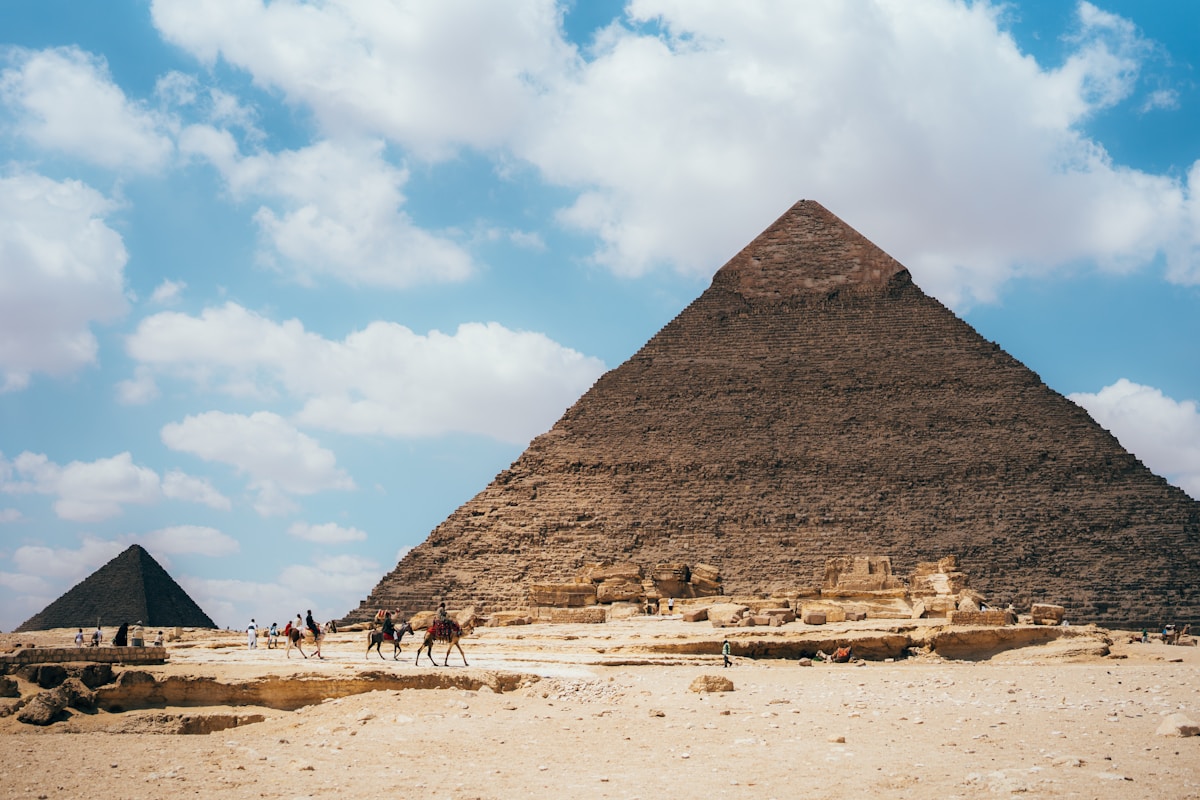
Start at the Pyramids of Giza. Arrive early — by 8am if possible — before the tour groups arrive in numbers. Allow 2–3 hours to walk the plateau, enter one pyramid (tickets sold separately at the gate), and visit the Sphinx. A camel or horse ride is optional and heavily negotiated at the gate; agree the full price including the return and tip before you mount.
Afternoon: the Grand Egyptian Museum (GEM) in Giza, which opened fully in 2024. The Tutankhamun galleries alone take 2 hours. Pre-book a timed entry slot online — walk-in queues can be long on busy days. Buy the Tutankhamun “complete collection” upgrade ticket when booking if it’s available; it covers rooms not included in the standard ticket.
Evening: dinner in Zamalek or Dokki; both are quieter than central Cairo and have a range of restaurants.
Day 2: Islamic Cairo and Khan el-Khalili
Morning at the Egyptian Museum at Tahrir Square — this is separate from the GEM and still worth a half-day for the Royal Mummies Hall and Tutankhamun death mask. Pre-book the mummies room entry separately online.
Afternoon: walk through Islamic Cairo. The Citadel of Saladin gives panoramic views over the city. From there, walk down through the medieval streets to Al-Azhar Mosque and Khan el-Khalili bazaar. The bazaar is busy and hawkers are persistent — it’s a good place for spices, papyrus and perfume oils; less good for antiques (most are reproductions).
Evening in Khan el-Khalili — the cafes around Fishawy’s are worth the tourist premium for the atmosphere.
Day 3: Coptic Cairo and Options
Coptic Cairo sits in the south of the city and can be done in a half morning. The Hanging Church, Babylon Fortress and Coptic Museum are all within walking distance. The area is quieter than Islamic Cairo and historically rich.
Afternoon options: if you didn’t cover the Egyptian Museum fully on Day 2, return. Alternatively, this is a day to rest and prepare for the early flight south — or use it for a slower walk through Zamalek and the Cairo Tower for city views.
Day 4: Fly to Luxor — East Bank
Fly Cairo to Luxor (EgyptAir operates multiple daily flights; the journey takes 50 minutes). Check in and head straight to Luxor East Bank.
Karnak Temple complex is one of the largest religious sites ever built. Allow 2 hours minimum. The Sacred Lake and Hypostyle Hall are the highlights; the scale of the columns is difficult to convey in photographs.
Luxor Temple is 3km south of Karnak and best visited at dusk when it is lit. The Avenue of Sphinxes connecting the two temples has been partially restored and is walkable.
Day 5: West Bank — Valley of the Kings
Book the optional hot air balloon over Luxor for the morning — flights depart at approximately 5am and last 45–60 minutes. Book the evening before through your hotel or a licensed operator. This is the most practical moment on the itinerary to do it.
Valley of the Kings: your standard ticket covers three tombs. The Tutankhamun tomb (KV62) and the tomb of Seti I require separate tickets purchased on-site. Arrive before 9am. Allow 2–3 hours.
Hatshepsut Temple (Deir el-Bahari) is 15 minutes from the Valley. The Colossi of Memnon are on the road back toward the ferry — a quick stop.
Afternoon: rest or visit Luxor Museum, which is small, uncrowded and genuinely excellent.
Day 6: Fly to Aswan — Philae Temple and Nubian Village
Fly Luxor to Aswan (30 minutes). Check in, then take a motorboat to Philae Temple on Agilkia Island — a Ptolemaic-era temple complex relocated in the 1970s to save it from the rising waters of Lake Nasser. It is calmer and less crowded than the Luxor sites.
Evening: hire a felucca for an hour on the Nile and ask the boatman to stop at a Nubian village on the west bank. The felucca is slow and pleasant; negotiate a flat price before boarding. Aswan is an easier, quieter city than Cairo or Luxor.
Day 7: Abu Simbel Day Trip
Abu Simbel is 280km south of Aswan near the Sudanese border. Two options: fly (45 minutes each way, the faster and more comfortable choice), or join the road convoy that departs Aswan at around 4am. The convoy is cheaper; the flight allows a later start and more time at the site.
The two temples of Ramesses II and Nefertari are extraordinary in scale. Allow at least 2 hours at the site. Return to Aswan by early afternoon, then connect to Cairo or fly home directly if your airline serves Aswan.
Practical Notes
Pre-book: GEM timed entry, Abu Simbel flight, Tutankhamun tomb ticket (KV62 — sold separately at the Valley of the Kings gate but quantities are limited).
Tipping: budget EGP 1,500–2,000 across the 7 days for guide and driver tips. This is not optional — it is part of the local economy and expected.
Temperature: October to April is the correct season for this itinerary. Luxor and Aswan in July and August are not practical for outdoor sightseeing.
Transport: for moving around cities, use Uber (works in Cairo, Luxor and Aswan) rather than negotiating with unmetered taxis.
Book an experience
Itinerary in the area
Instant confirmation · Free cancellation on most bookings
Frequently Asked Questions
- Is 7 days enough for Egypt?
- Seven days is enough to cover Egypt's main highlights — Cairo, Luxor and Aswan — if you fly between cities and plan ahead. You won't have spare time for side trips, but the core sites are all reachable.
- Should I fly or take the train on a 7-day itinerary?
- Fly. The overnight train between Cairo and Luxor takes 10–12 hours and eats into a day you don't have on a tight itinerary. Domestic flights are cheap and take under an hour.
- What should I pre-book before arriving in Egypt?
- Book your Abu Simbel flight, GEM timed entry, and the separate Tutankhamun tomb ticket (KV62) as early as possible. These are the most likely to be limited or sold out.
- When is the best time to do this itinerary?
- October to April. Summer temperatures in Luxor and Aswan regularly exceed 40°C, making outdoor sites uncomfortable and potentially unsafe.