Luxor Travel Guide: Ancient Thebes on the Nile
Everything you need to visit Luxor - Karnak, the Valley of the Kings, West Bank temples, hot air balloons, and Nile cruises.
Guides for Luxor
Luxor sits on the east bank of the Nile at the site of ancient Thebes, the capital of Egypt during the New Kingdom period (roughly 1550–1070 BCE). No other city in Egypt, and few in the world, concentrates this density of major monuments in such a small area. The city itself has around half a million residents and is compact enough to navigate without much difficulty.
Karnak Temple Complex
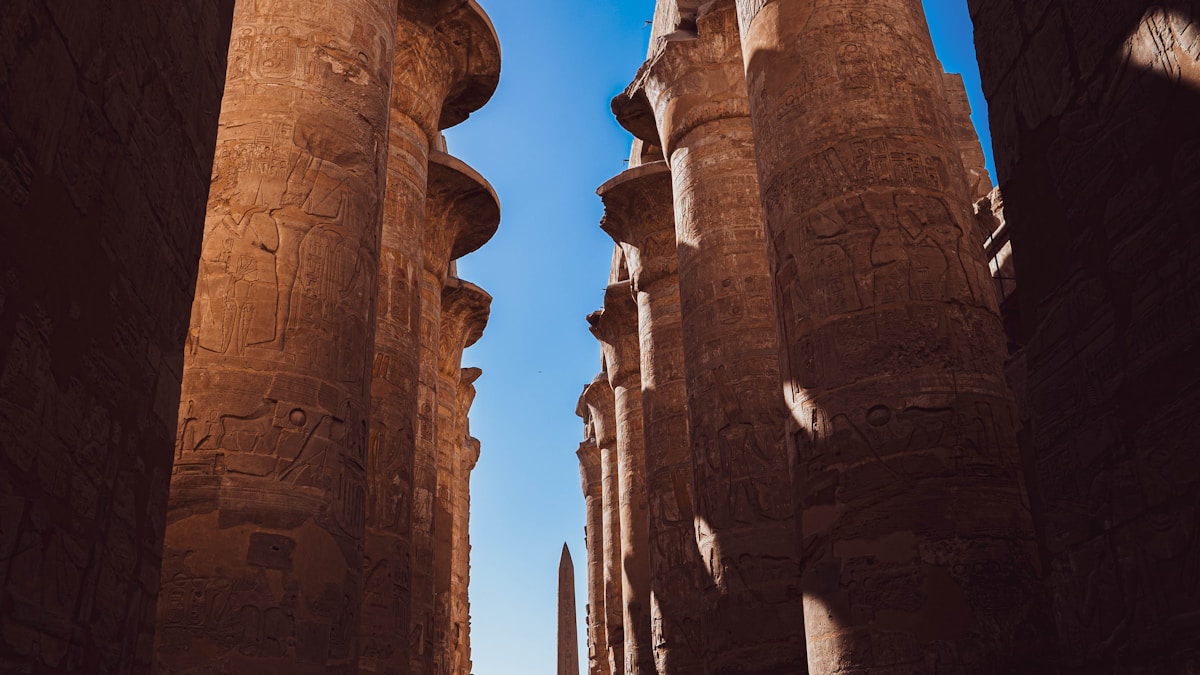
Karnak is the largest religious complex ever constructed - built, expanded, and modified by successive pharaohs over more than 1,300 years. The Hypostyle Hall alone, with its 134 massive columns, takes time to absorb. The complex also includes the sacred lake, multiple pylons, and temples to several deities. Allow at least two hours; a guided visit can stretch to three.
Luxor Temple, at the southern end of the East Bank, is connected to Karnak by the Avenue of Sphinxes, a recently restored processional road. Luxor Temple is particularly striking at night when it is lit up - evening visits are a good use of time in hot months.
The West Bank: Valley of the Kings
The West Bank of Luxor is where the New Kingdom pharaohs were buried. The Valley of the Kings contains 63 known royal tombs, including those of Ramesses II and Tutankhamun. A standard entry ticket covers three tombs (chosen at the gate on the day); the tomb of Tutankhamun requires a separate ticket. The painted walls inside the open tombs are in varying states of preservation - some are exceptional.
Nearby, Hatshepsut’s mortuary temple at Deir el-Bahari is architecturally unlike anything else in Egypt: three colonnaded terraces cut into the cliff face. The Colossi of Memnon, two enormous seated statues of Amenhotep III, stand in open farmland at the entrance to the West Bank and are visible from the road. Medinet Habu - the mortuary temple of Ramesses III - is one of the best-preserved and least-crowded major sites on the West Bank.
Hot Air Balloon Flights
Hot air balloon flights over the West Bank at sunrise are one of Egypt’s most popular travel experiences, and Luxor is the main departure point. Flights last 45–60 minutes and provide views over the temple rooftops and the Nile valley. They operate early morning, conditions permitting. Several operators run daily flights; prices vary. We recommend booking through a reputable agency rather than accepting the cheapest street offer, as safety standards differ between operators.
Book a balloon flight via our Luxor hot air balloon guide.
Getting Around Luxor
The East Bank is flat and walkable between Luxor Temple and the Luxor Museum. Calèches (horse-drawn carriages) are the traditional way to travel; agree on a price before boarding. Taxis and Uber operate in the city. For the West Bank, hire a taxi for the day or join a tour - public transport to the sites is limited. Bicycles are a reasonable option given the flat terrain, though summer heat makes cycling impractical from May through September.
Felucca sailboats on the Nile can be hired by the hour for sunset trips, or longer.
Nile Cruises
Most Nile cruises run between Luxor and Aswan, a distance of around 215km by river. You can compare Luxor tours and guided excursions for both East Bank and West Bank sites, or check last-minute availability if you’re booking on short notice. Southbound journeys (Luxor to Aswan) typically take three to four nights and stop at Edfu (Temple of Horus) and Kom Ombo (double temple) along the way. Northbound cruises cover the same route in reverse. Cruise boats range from budget to luxury; prices vary substantially by vessel class and season.
When to Visit
October through March offers the most comfortable temperatures - daytime highs of 25–30°C. By April it begins to warm significantly, and summer months (June through August) regularly reach 45°C. Sightseeing in that heat is genuinely difficult, particularly on the exposed West Bank sites. Early morning starts (sites open at 6am) reduce the worst of the heat even in spring and autumn.
Luxor Guides
- Things to Do in Luxor
- Getting to Luxor
- Getting Around Luxor
- Luxor Day Trips
- Where to Stay in Luxor
- Luxor Restaurants
- Karnak Temple Guide
- Hatshepsut Temple at Deir el-Bahari
- Medinet Habu: Temple of Ramesses III
- Deir el-Medina: The Workers’ Village
- Luxor vs Aswan: Which to Visit?
- Dahabiya vs Nile Cruise
- Dendera and Abydos Day Trip
- Valley of the Kings
- Ancient Egypt History Overview
- Luxor Itinerary
- 1 Week in Egypt Itinerary
Book an experience
Top experiences in Luxor
Explore the best tours and activities in Luxor , with instant confirmation and free cancellation on most bookings.