Egypt Safety Guide: Is Egypt Safe to Visit?
Egypt receives millions of tourists each year. For the vast majority, a visit to Cairo, Luxor, Aswan, or the Red Sea coast passes without incident. That context matters - but so does accurate information about the real risks and challenges that travellers do encounter.
Overall Safety Picture
Street crime against tourists is low by international standards. Violent crime targeting visitors is rare. Tourist police - identifiable by white uniforms - are present at major sites, and Egypt has significant economic incentives to maintain a safe environment for visitors.
The main hazards are traffic, petty theft, and tourist-oriented scams - not political violence or serious crime. Cairo traffic in particular is genuinely chaotic; cross streets carefully, use pedestrian bridges where available, and do not assume drivers will stop.
Common Scams
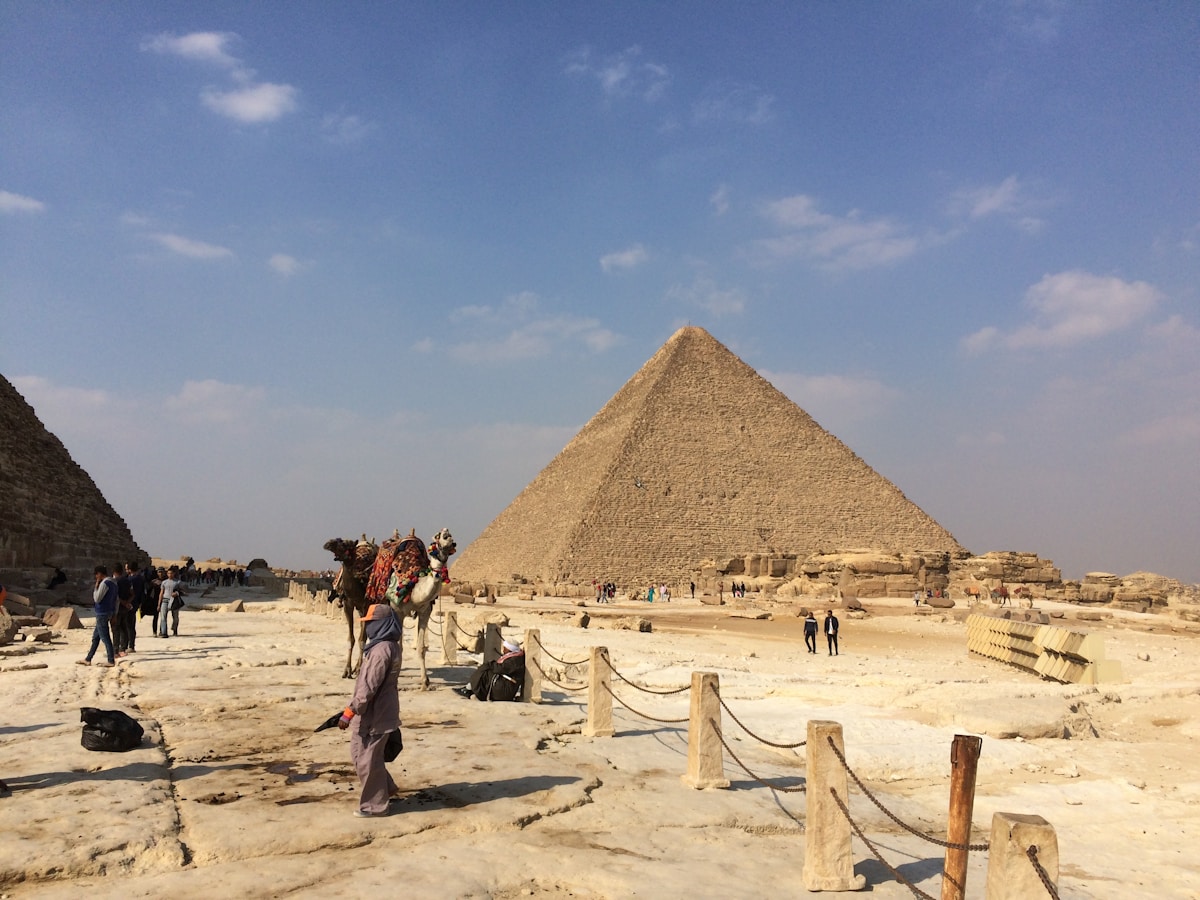
Scams at tourist sites are persistent and follow recognisable patterns. At the Giza plateau, men offering unofficial “tours” or attempting to hand you objects (a cloth, a camel rope) to then demand payment are common. The appropriate response is firm refusal from the outset.
Taxi overcharging at airports is endemic - use Uber or Careem instead, where fares are set before the journey starts. Friendly strangers who invite you into their shop “just to look” may be working on commission and will apply social pressure to buy. This is not dangerous, but it is worth recognising early.
Fake papyrus sold as “museum quality” and heavily diluted perfume oils sold at inflated prices are standard tourist market realities. Genuine papyrus is thicker and more textured than the dried banana leaf sold at many tourist shops.
Solo Female Travellers
Solo female travel in Egypt is more demanding than in many other destinations, and it is worth being honest about this. Verbal harassment - comments, persistent attention, occasional following - is common in Cairo and around high-traffic tourist sites. This does not make Egypt dangerous, but it does require more active management of space and interactions than many women are accustomed to elsewhere.
Practical measures that consistently help: dressing modestly (covering shoulders and knees), using Uber rather than street taxis, booking well-reviewed accommodation in central locations, and projecting confident purposefulness when moving through crowded areas.
Dahab in South Sinai and El Gouna on the Red Sea coast are consistently reported by female travellers as notably easier environments - smaller, more relaxed, with a higher proportion of Western visitors and less street pressure. Our Egypt solo travel guide covers Dahab as a solo base, how to meet other travellers, and specific advice for solo women.
LGBTQ+ Travellers
Homosexuality is not explicitly criminalised under Egyptian law, but same-sex relations are regularly prosecuted under “debauchery” and public morality statutes. Arrests occur. Public displays of affection between same-sex couples carry real legal risk. Discretion is strongly advised, and travellers should verify the current legal and social situation before making plans.
Regional Travel Warnings
North Sinai has active security incidents related to insurgency activity and its proximity to the Gaza border. Most government travel advisories recommend against travel to North Sinai. This is a distinct region from the South Sinai tourist destinations (Sharm el-Sheikh, Dahab, Taba), which have not seen significant incidents and are treated separately in most advisories.
Western border regions near Libya also carry warnings. The tourist itinerary - Cairo, the Nile Valley, Red Sea coast, and South Sinai - does not intersect with these areas.
Getting Around Safely
Using Uber and Careem instead of unmetered street taxis eliminates the most common friction point for Cairo visitors. Keeping digital copies of your passport and visa is practical insurance. For transport between cities, the sleeper train and established bus companies are consistently safe options. Always check your government’s current travel advisory for up-to-date regional guidance before you depart.
Related Guides
- Egypt Scams to Watch For
- Egypt Travel Insurance
- Egypt Etiquette and Customs
- Health and Vaccinations for Egypt
- Egypt Visa Guide - visa options and Sinai entry rules
- Getting Around Egypt - using Uber and Careem to avoid common taxi scams
- Solo Travel in Egypt - safety advice for solo travellers including solo women
Travel insurance for Egypt covers medical costs, trip cancellations, and emergency evacuation - worth having in place before you fly. Guided tours of Egypt also reduce many of the practical safety concerns around navigation and transport, particularly for first-time visitors.
Ready to Plan Your Trip?
Here are our most popular Egypt itineraries to help you make the most of your visit:
Book an experience
Top tours to book now
Already planning? These are the most popular experiences for this destination.
Frequently Asked Questions
- Is Egypt safe for solo female travellers?
- This question needs an honest answer, not a reassuring one. Egypt involves more vigilance for solo female travellers than many European or Southeast Asian destinations. Verbal harassment is common in some areas, especially Cairo and around tourist sites. Many women travel Egypt solo successfully with appropriate preparation - modest dress, confidence, using Uber rather than street taxis, staying in well-reviewed accommodation. Dahab and the Red Sea coast are consistently reported as easier environments. Research current conditions before travel.
- Is it safe to visit Egypt right now?
- Egypt's tourist infrastructure and main destinations have been stable for most years since 2015. Check your government's current travel advisory for specific regions before booking. North Sinai carries active warnings distinct from the tourist South Sinai; the Western Desert border areas have restrictions. The Nile Valley tourist corridor and Red Sea coast are the destinations most visitors experience without incident.