Valley of the Kings: Tickets, Tombs, and What to Expect
Book an experience
Guided historical tours
Walk through history with a local expert. Tours include skip-the-line access where available.
The Valley of the Kings is a dry desert wadi on Luxor’s West Bank where New Kingdom pharaohs were buried for approximately 500 years, from around 1550 to 1070 BC. Sixty-three tombs have been identified to date, numbered in the order of discovery (KV1 through KV63). Most are closed to protect the wall paintings; a rotating selection of five to ten are open to visitors at any given time. This guide explains how ticketing works and which tombs are worth prioritising.
Why Pharaohs Were Buried Here
During the Old Kingdom, pharaohs were buried under pyramid complexes visible from a great distance - and vulnerable to tomb robbers who followed the monuments to their contents. New Kingdom rulers moved their burial chambers to this remote wadi in the Theban hills, separated from their funerary temples (which remained visible on the floodplain). The strategy was not entirely successful: most tombs were robbed in antiquity, often within years of sealing. Tutankhamun’s tomb survived because it was covered by debris from a later tomb dug directly above it.
How Tickets Work
The standard ticket allows access to the valley and three tombs from those currently open. It does not include Tutankhamun’s tomb (KV62) or Seti I’s tomb (KV17), which each require separate additional payments at the ticket office. The visitor centre near the entrance has a short film and site model that helps orient first-time visitors - worth ten minutes before you start.
Tickets are sold at a booth near the main gate. A small electric tram runs between the gate and the tomb entrances for those who find the walk difficult; it costs a small additional fee.
Which Tombs to Prioritise
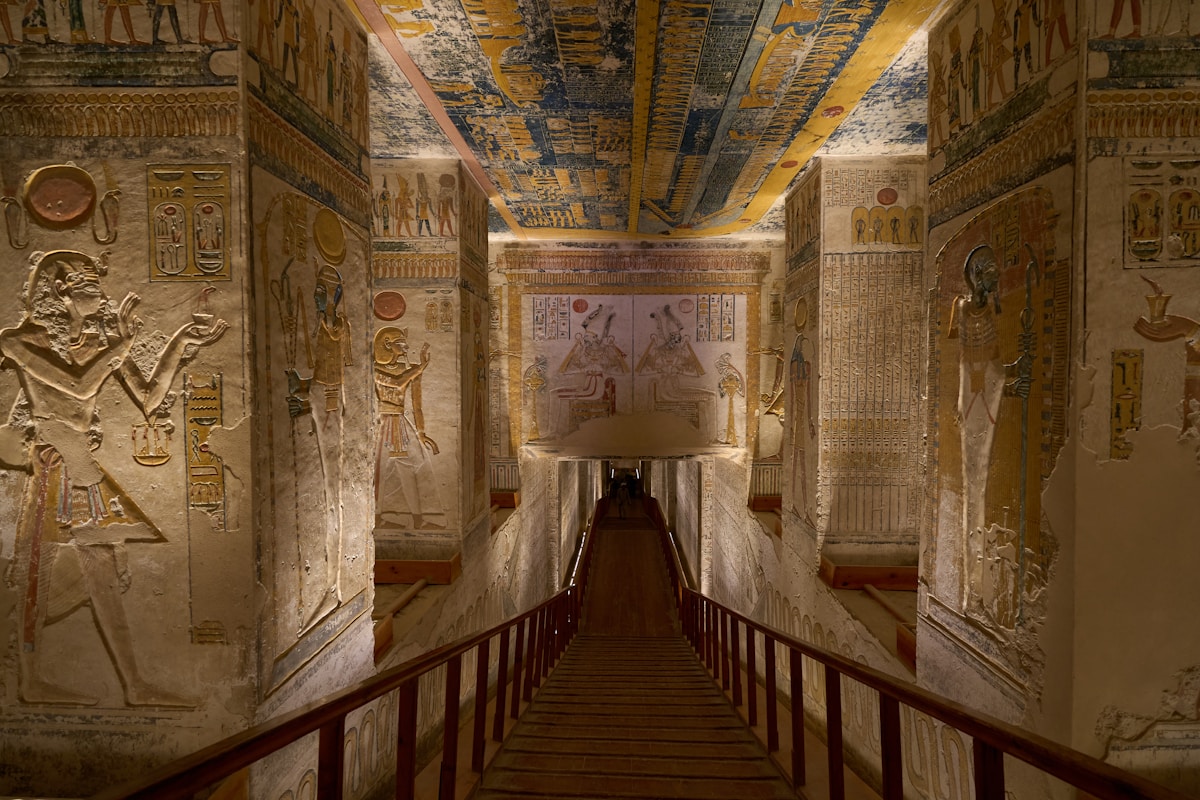
KV9 (Ramesses V/VI) and KV11 (Ramesses III) consistently receive strong recommendations for the quality and preservation of their painted relief decoration. Both are typically included in the standard ticket rotation and have wide corridors that make them more comfortable to move through.
Tutankhamun’s tomb (KV62) is small - the smallest in the valley - but carries enormous historical weight. Howard Carter discovered it in 1922 after five seasons of searching. The original mummy of the young pharaoh remains in the tomb in a climate-controlled case; the gold death mask and most other treasures were removed long ago and are now displayed in Cairo. If you are combining this visit with a Cairo museum trip, the tomb itself may be less essential than its famous contents suggest.
Seti I’s tomb (KV17) is the largest and most elaborately decorated in the valley. It is occasionally closed for conservation work; check its current status before paying for the additional ticket.
Photography Rules
Photography inside the tombs has been officially restricted for years, with the position occasionally revised. The standard position is no photography inside; a paid photography permit may allow limited use. Check at the ticket office and confirm the current rules on the day - the situation has changed repeatedly and advice online is frequently out of date.
Getting There
The Valley of the Kings is on Luxor’s West Bank, roughly 5km from Luxor town. Most visitors hire a driver for the full West Bank day, which typically includes the Valley of the Queens, Medinet Habu temple, and the mortuary temple of Hatshepsut at Deir el-Bahari in a single circuit. The crossing from Luxor’s East Bank by local ferry is inexpensive and takes about ten minutes.
Best Time to Visit
The site opens at 6am. Arriving at opening is strongly recommended - both for the cooler temperature and to see the tombs before large tour groups arrive. The painted walls are lit by electric lights; natural light is not a factor, but the temperature inside the tombs rises noticeably as the day progresses. Visiting between 10am and 2pm in summer is genuinely difficult for most visitors.
Related Luxor Sites
- Karnak Temple
- Hatshepsut Temple at Deir el-Bahari
- Medinet Habu: Temple of Ramesses III
- Deir el-Medina: The Workers’ Village
- Luxor West Bank Tours
- Luxor Travel Guide - accommodation, getting around, and what else to see
- Luxor Itinerary - a day-by-day plan for visiting Luxor’s main sites
- Hot Air Balloon Luxor - morning balloon flights over the West Bank
- Grand Egyptian Museum - where Tutankhamun’s treasures are displayed in Cairo
- Luxor West Bank guided tours - browse full-day guided tours of the Valley of the Kings and surrounding sites
Frequently Asked Questions
- Which tombs are included in the standard ticket?
- The standard ticket covers access to the valley and three tombs of your choice from those currently open. Tutankhamun (KV62) and Seti I (KV17) each require a separate additional ticket and are not included.
- Can you photograph inside the tombs?
- Photography is officially restricted inside the tombs. Rules and enforcement vary - some visitors report that a photography permit (sold separately at the ticket office) is available; others report inconsistent enforcement. Check at the ticket office on arrival.
- How much time do you need in the Valley of the Kings?
- Allow 2–3 hours for the standard ticket covering three tombs and the visitor centre. Add a full half-day if you plan to visit Seti I or do the wider West Bank circuit including Medinet Habu and Deir el-Bahari.
Ready to explore?
Browse hundreds of tours and activities. Book securely with free cancellation on most options.
Browse on GetYourGuide →Best price guaranteed: same price as booking direct. We earn a small commission at no extra cost to you.