Pyramids of Giza: The Complete Visitor Guide
Book an experience
Guided historical tours
Walk through history with a local expert. Tours include skip-the-line access where available.
The Pyramids of Giza are the most visited archaeological site in Africa and the only surviving structure from the original Seven Wonders of the Ancient World. They stand on the Giza Plateau on Cairo’s western outskirts - the desert begins immediately behind them, which is easy to forget from tourist photographs. This guide covers what you will actually see, how ticketing works, and how to make the most of a half-day here.
The Three Pyramids
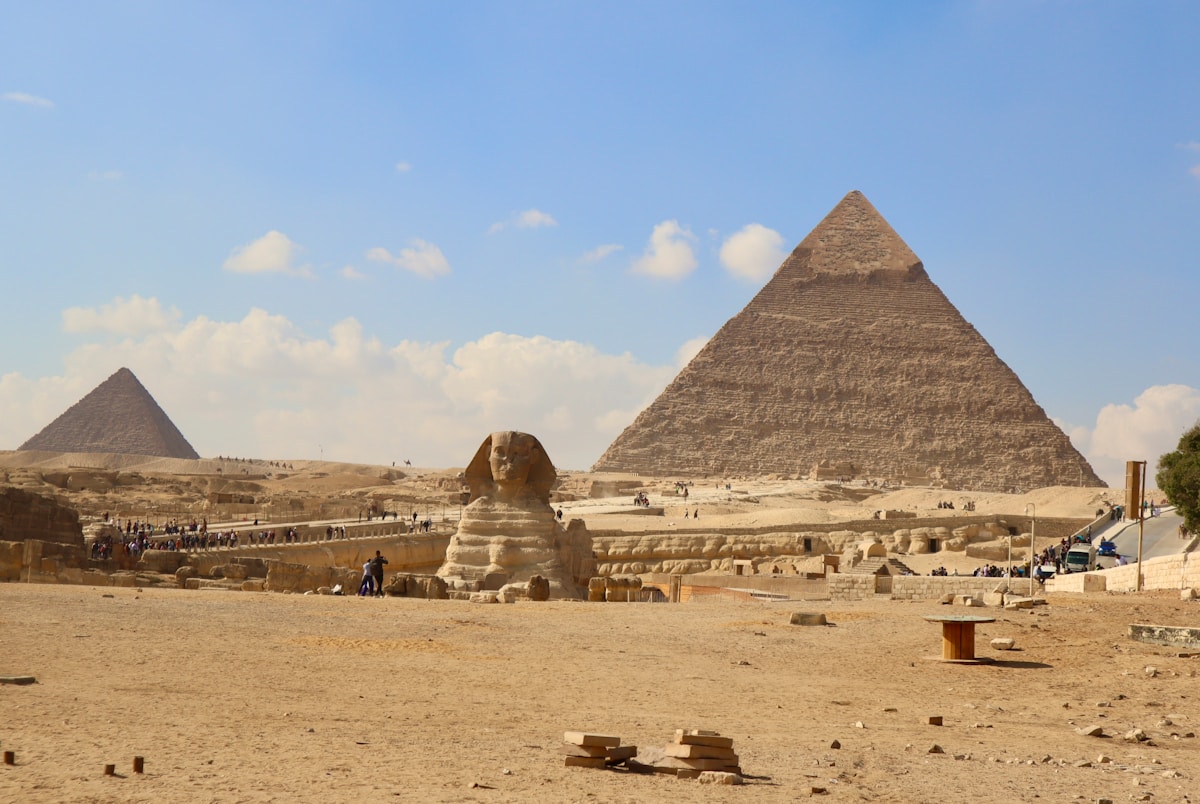
The complex contains three main pyramids, each built for a different Fourth Dynasty pharaoh. The Great Pyramid of Khufu - the largest - was completed around 2560 BC. It originally stood 146 metres tall; erosion and the removal of the outer casing stones have reduced it to 138.5 metres. Approximately 2.3 million limestone blocks were used in its construction, with the heaviest blocks quarried from Aswan, 800km to the south. How the blocks were transported and lifted remains a subject of active archaeological debate.
The Pyramid of Khafre, Khufu’s son, appears taller in photographs because it sits on higher ground and retains its original casing stones near the apex. Menkaure’s pyramid is significantly smaller - it was likely cut short by the pharaoh’s death.
The Great Sphinx
The Sphinx stands 73 metres long and 20 metres high, carved directly from the bedrock of the Giza Plateau. It is generally associated with Khafre, though the exact date of construction is debated among Egyptologists. The mainstream view places it in the Old Kingdom around 2500 BC. The missing nose was already absent by the time Napoleon arrived - accounts from Arab historians suggest it was damaged centuries earlier.
Tickets and What They Cover
The main plateau ticket covers access to the site and the exterior of all three pyramids and the Sphinx enclosure. Separate tickets are required to enter the interior of the Great Pyramid, to enter Khafre’s pyramid, and to visit the Solar Boat Museum, which houses a 43-metre cedar boat buried alongside Khufu and only excavated in 1954.
The number of tickets for the Great Pyramid interior is limited daily - buy these at the site entrance early rather than waiting until you have walked the plateau. The interiors are remarkable but physically demanding: you will be bent double for extended stretches in narrow ascending corridors in significant heat.
The Grand Egyptian Museum
The Grand Egyptian Museum (GEM) sits adjacent to the plateau and opened fully in 2023. It holds the Tutankhamun treasury - the gold death mask, golden shrine, and thousands of objects from his tomb - in purpose-built display halls. If you are combining a pyramid visit with Cairo, allocate a separate half-day to GEM rather than trying to do both in one morning.
Timing and Practical Advice
The site opens at 8am. Arriving at opening significantly reduces heat and crowds - by 10am the plateau is busy and by noon the temperature makes extended walking unpleasant for most of the year. The Sound and Light show held on the plateau at dusk is theatrical in tone but does illuminate the monuments effectively if you want to return in the evening.
Camel and horse touts operate on the road approaching the plateau and sometimes inside the site perimeter. Their prices are not displayed and disputes about payment are common. If you want to ride a camel for a photograph, agree a price before mounting and confirm whether it covers dismounting as well.
Getting There from Cairo
The easiest option is Uber or Careem. Expect 30–60 minutes depending on Cairo’s traffic, which is unpredictable. The Giza Metro station is on Line 2 but is still several kilometres from the plateau - a taxi or tuk-tuk is needed for the final leg. Most visitors from central Cairo find a direct Uber more straightforward.
Guided day tours from Cairo include transport and a licensed Egyptologist guide; these remove most of the logistical friction and are worth considering if you want historical depth beyond what the site’s own signage provides.
See Also
- Cairo city guide - where to stay, how to divide your days, and what else to do in the capital
- Grand Egyptian Museum - the Tutankhamun treasury and the pyramid context, on the same Giza site
- Saqqara Step Pyramid - the earlier pyramid complex 30km south, easily combined as a half-day addition
- 3 days in Cairo itinerary - how the pyramids fit into a short visit to the capital
- Guided Pyramids and Cairo tours - browse vetted tours combining Giza with the Grand Egyptian Museum
Related News
Frequently Asked Questions
- Can you go inside the pyramids?
- Yes - a separate ticket is required for each interior. The Great Pyramid's internal corridors and burial chamber are accessible but very narrow and hot. Khafre's interior is slightly less visited. Menkaure has limited access. Claustrophobic visitors should skip the interiors entirely.
- How do you get to the pyramids?
- Uber or Careem from central Cairo is the easiest option - roughly 45 minutes from Downtown. There is no direct metro to the site. Avoid horse and camel touts for transport; once you have paid they will attempt to take you on their own terms.
- Is a guide necessary at the pyramids?
- Not required. Signage is limited but the site layout is straightforward. A licensed guide adds historical context and helps navigate ticket logistics. Be cautious of unofficial 'guides' who approach visitors inside the ticket zone.
Ready to explore?
Browse hundreds of tours and activities. Book securely with free cancellation on most options.
Browse on GetYourGuide →Best price guaranteed: same price as booking direct. We earn a small commission at no extra cost to you.