Things to Do in Siwa Oasis
Book an experience
Top-rated experiences in Siwa Oasis Travel Guide
The highest-rated tours and activities in Siwa Oasis Travel Guide. Book today, cancel free if plans change.
Siwa Oasis sits 560km west of Cairo, close to the Libyan border, in one of the most isolated corners of Egypt. The scale of effort to get here is part of the appeal - once you arrive, the pace drops entirely. Donkey carts, bicycles, and the persistent scent of date palms replace the noise of Egyptian cities. The town has a handful of major sites and one genuinely extraordinary landscape: the Great Sand Sea.
Oracle Temple of Amun (Aghurmi)
The Temple of the Oracle stands on a rocky hill called Aghurmi, east of the main town. This is where Alexander the Great reportedly received confirmation of his divine status as son of Amun in 331 BC - the oracle’s answer was never publicly recorded, but Alexander’s subsequent behaviour suggested it was favourable. The ruins are substantial and the setting is more impressive than the structure itself: from the top of Aghurmi hill, the view over Siwa’s palm groves, salt lakes, and desert horizon is exceptional. Entry costs a modest fee. Go early or late to avoid the midday heat.
Shali Fortress
Shali is the ruined medieval fortified town at the centre of modern Siwa - built from Kershef, a local construction material made from salt clay and palm timber. The Kershef walls dissolved badly in a three-day rainstorm in 1926, leaving the fortress in its current half-collapsed state. You can walk the perimeter freely and climb the sections that remain stable for a viewpoint over the town and surrounding oasis. A cafe operates on the lower edge. The ruin is part of the town’s daily life rather than a fenced monument - it doesn’t feel managed or curated.
Cleopatra’s Bath (Ain Guba)
A natural freshwater spring pool in the palm groves 4km from the town centre. The “Cleopatra connection” is historically unverified - the name is a tourist-era addition. What is genuine is the cold, clear spring water and the palm grove setting. Swimming is open to visitors; the pool is busier on weekends when Egyptian day visitors arrive from Marsa Matruh. The surrounding area rewards a slow wander by bicycle.
Fatnas Island and Birket Siwa
Five kilometres west of town, Fatnas Island sits in the salt lake of Birket Siwa. The island has a small spring pool, palm trees, and a simple teahouse. It’s the best sunset viewpoint in Siwa - the light over the lake and dunes turns remarkable from late afternoon. Access is by bicycle or tuk-tuk; a modest entry fee applies. We’d recommend timing the visit for 90 minutes before sunset rather than midday.
Great Sand Sea Excursions
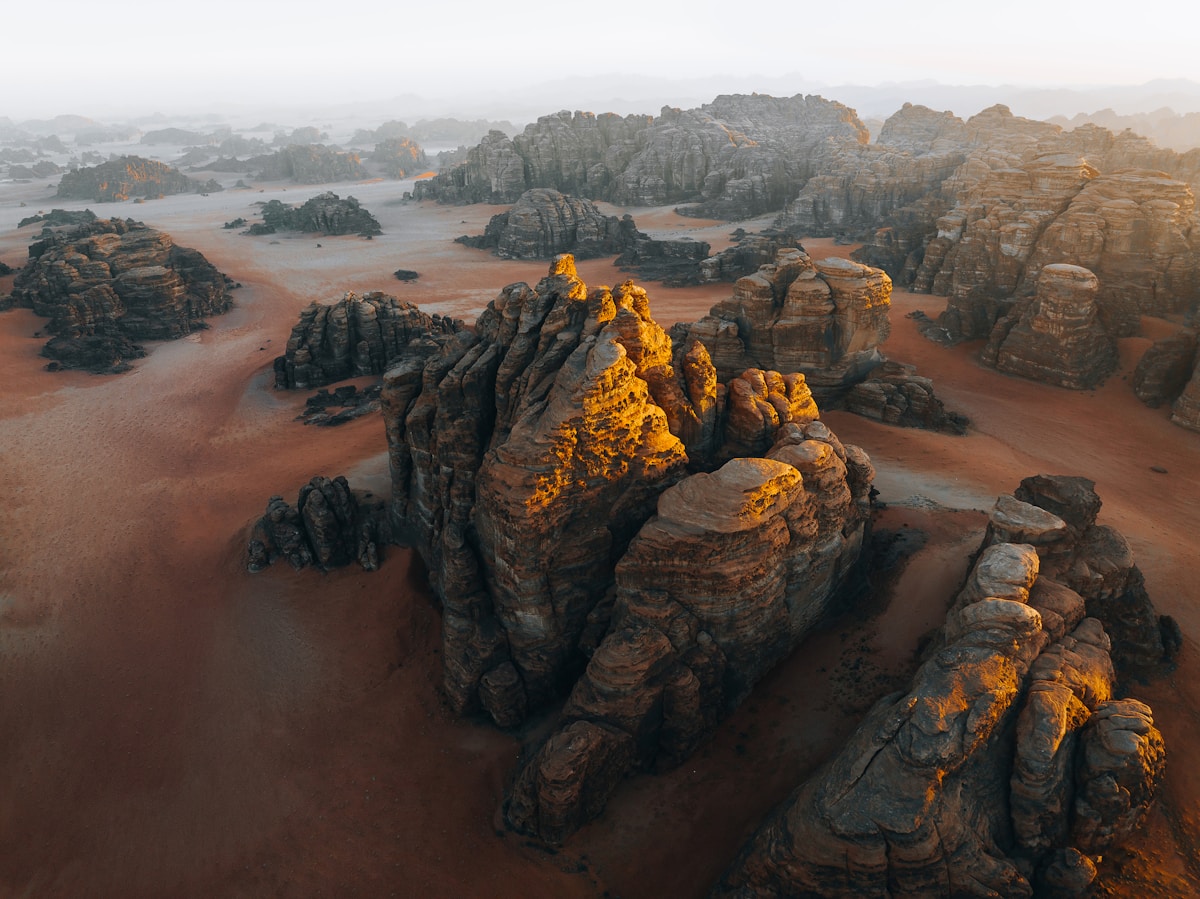
The Great Sand Sea - one of the largest continuous dune fields on Earth - begins a short drive east and south of the oasis. 4WD day tours are the standard way in: operators based in the town load visitors into pickup trucks and head for the high dunes. The programme typically includes sandboarding on the steep dune faces, a stop at natural hot spring lakes (Ein el-Arais), and often overnight desert camping for those who book multi-day trips. Day tours run approximately $40–80 per person depending on group size and operator. This is the activity most travellers come to Siwa specifically to do.
Mountain of the Dead and the Siwa Museum
Gebel el-Mawta (Mountain of the Dead) is a hill north of the town centre containing Graeco-Roman rock-cut tombs. The Tomb of Mesu-Isis retains painted decoration. The site is largely unstaffed and entry is free; signage is limited. It suits independent explorers rather than those expecting interpretation. The Siwa Museum (House of Siwa) nearby - inside a restored traditional Siwan house - displays local costume, silver jewellery, and household objects from Siwan Berber culture. Entry runs EGP 20–50. It’s a worthwhile hour before heading further into the oasis.
Date Harvest Season (October–November)
The annual date harvest transforms Siwa in October. The Siwa Date Festival (usually mid-October) draws visitors and traders; dates can be bought directly from farms. Olive oil is also produced locally. This is the most atmospheric time to visit, though accommodation books out earlier than usual. The harvest itself - climbing palm trees by hand, hauling down the date clusters - is visible on any farm road in the oasis.
For more on the town and its context, see our Siwa Oasis guide. Browse Siwa tours and desert excursions to compare 4WD Great Sand Sea trips and guided options.
Frequently Asked Questions
- How many days should you spend in Siwa?
- Minimum 2 nights to see the town sites and do a Great Sand Sea day trip. 3–4 nights is comfortable for those who want multiple desert excursions, a slow bicycle day exploring the palm groves, and time to settle into Siwa's pace. The town rewards slow travel.
- Can you visit Siwa independently?
- Yes. The bus from Cairo is straightforward (8 hours, West Delta Bus Company). Accommodation, food, and Great Sand Sea tours are all available without pre-booking for most of the year. The exception is the busy October harvest festival period - book accommodation in advance.
Ready to explore?
Browse hundreds of tours and activities. Book securely with free cancellation on most options.
Browse on GetYourGuide →Best price guaranteed: same price as booking direct. We earn a small commission at no extra cost to you.