Diving and Snorkeling in Marsa Alam
Book an experience
Top-rated experiences in Marsa Alam Travel Guide
The highest-rated tours and activities in Marsa Alam Travel Guide. Book today, cancel free if plans change.
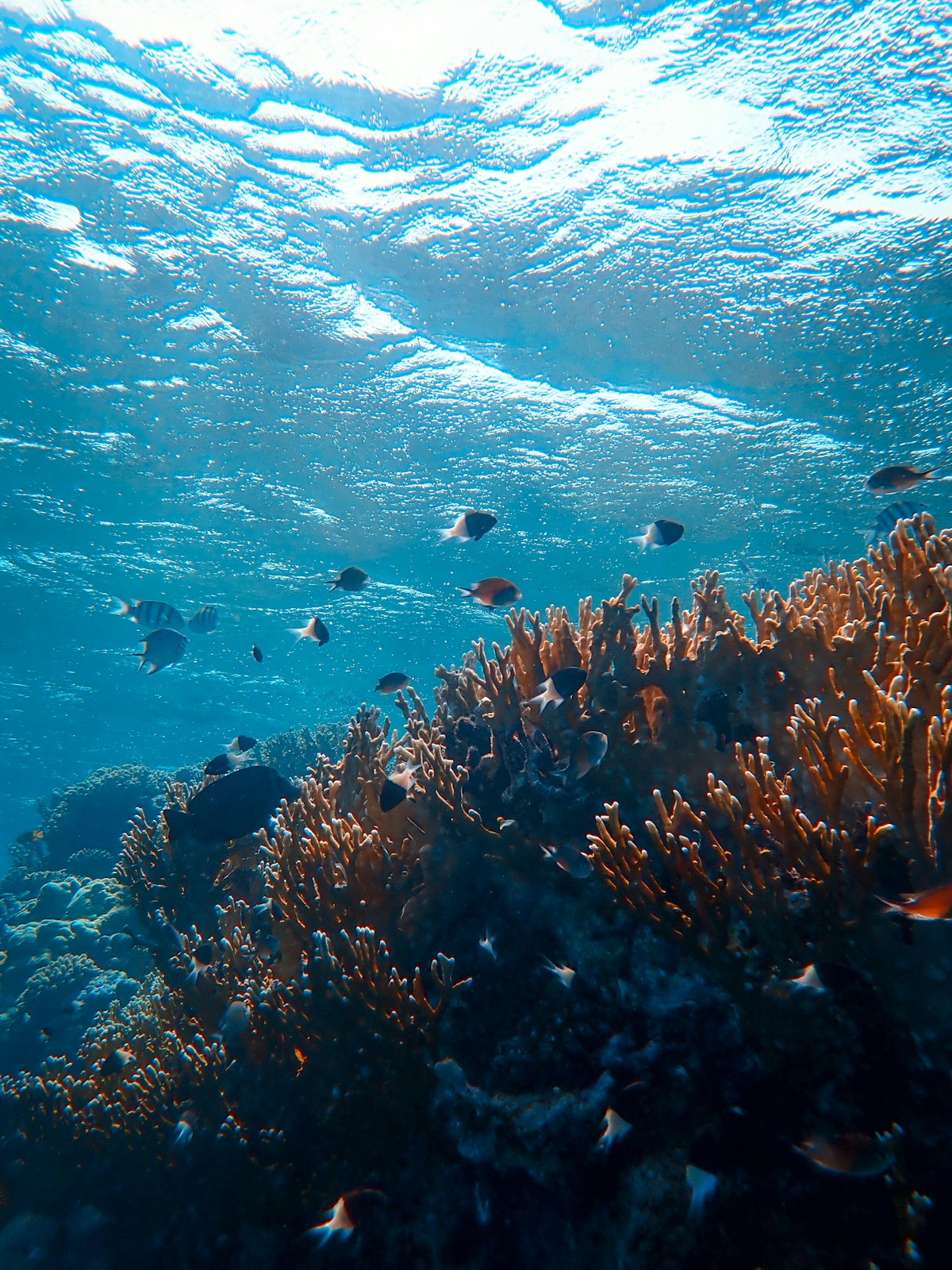
Marsa Alam’s underwater credentials rest on a combination of site quality, reduced development pressure, and access to some of the most biologically significant locations in the entire Red Sea. The reef system in the southern Red Sea is in better condition than the north - less boat traffic, less coastal development, fewer decades of tourism impact. The sites here attract a specific type of traveller: experienced divers, wildlife photographers, and those who know enough about the Red Sea to seek out the south.
Elphinstone Reef
Elphinstone is the defining dive of Marsa Alam. A submerged pinnacle 30km offshore, it rises from deep water to within a few metres of the surface. The north and south plateaus - where most divers spend their bottom time - are where oceanic whitetip sharks congregate reliably, along with hammerheads in season. The hard coral on the plateaus is in outstanding condition; large fish life is abundant throughout.
This is an advanced site. The currents at Elphinstone can be strong and unpredictable, and the depth profile means buoyancy control errors have consequences. Advanced Open Water certification is the minimum; experienced dive guides universally recommend this site for divers who have logged significant open water experience beyond certification. Visibility typically runs 25–40m. The dive is conducted as a drift along the wall, moving with the current rather than fighting it.
Abu Dabbab Bay
Abu Dabbab is primarily a snorkeling site, though diving is possible. The bay’s shallow seagrass beds attract a resident dugong population - the large, gentle herbivorous marine mammals that are the source of mermaid mythology across the Indo-Pacific. Abu Dabbab is consistently cited as one of the world’s most reliable places to see dugongs in the wild. Snorkeling from the beach requires no boat and minimal cost; the bay is 20km north of Marsa Alam town. Sea turtles are also regular.
Patience is required - the dugongs graze slowly and are not reliably visible from the moment you enter the water. Early mornings tend to produce more reliable sightings than midday. Boat trips to the bay give slightly broader coverage of the seagrass area.
Dolphin House (Shaab Samadai)
A horseshoe-shaped reef 25km offshore, Shaab Samadai shelters a resident pod of spinner dolphins in its inner lagoon. The dolphins use the lagoon as a resting ground between offshore feeding trips - they are reliably present in the mornings before heading out to sea. Both diving and snorkeling give access to the lagoon. The site is regulated: motorised access is restricted and visitor numbers are managed to protect the pod’s resting behaviour. Confirm current access rules with your dive operator before booking, as the regulations are periodically updated.
Shaab Claudia
An accessible intermediate dive site close to the main resort area, Shaab Claudia has varied topography - shallow plateau, walls, and sandy channels - making it suitable for Open Water divers and those completing skills development. Good soft coral coverage. This is a day-boat site rather than a specialist destination, but it produces reliable dives and is a reasonable option for divers who want something other than the advanced conditions at Elphinstone.
Brothers Islands (El Akhawein)
Two isolated islands 60km offshore, accessible by liveaboard only. The Brothers represent the premium shark diving in the Marsa Alam region - grey reef sharks, hammerheads, thresher sharks, and occasional whale sharks on the right season. The conditions are advanced: strong currents, significant depth, and exposed open-water navigation. Liveaboard trips run 3–7 nights, typically combining the Brothers with other offshore sites including Daedalus Reef and Elphinstone. Operators including Blue Ocean Dive Club and others based in Marsa Alam handle bookings.
Wadi El Gemal National Park Reef
The reef within Wadi El Gemal National Park, 40km south of town, benefits from the reduced boat traffic that the park designation provides. Coral coverage is good; fish life is undisturbed. Snorkeling within the park is accessible from the beach in certain areas. For day-boat diving, operators include this area on less-crowded schedules. The park itself has an entry fee which covers the terrestrial and marine areas.
Dive Centres and Logistics
Blue Ocean Dive Club, Marsa Alam Diving Centre, and a cluster of resort-based dive centres operate in the area. Most are aligned with PADI and SSI certification standards. For liveaboard departures - to Brothers Islands particularly - book well in advance as the boats are small and fill months ahead in the November–April peak diving season.
See our Marsa Alam overview and the Red Sea diving guide for broader context. Diving and snorkelling tours from Marsa Alam - including Elphinstone day trips and Abu Dabbab dugong excursions - are bookable through the dive centres above or in advance online.
Frequently Asked Questions
- Is Elphinstone safe to dive?
- Elphinstone is an advanced dive with strong currents and significant depth. It is not appropriate for divers without Advanced Open Water certification and solid buoyancy control. The currents can be intense and the site requires drift diving experience. That said, it is regularly dived safely by experienced divers - the risks are manageable with appropriate preparation and dive guidance.
Ready to explore?
Browse hundreds of tours and activities. Book securely with free cancellation on most options.
Browse on GetYourGuide →Best price guaranteed: same price as booking direct. We earn a small commission at no extra cost to you.